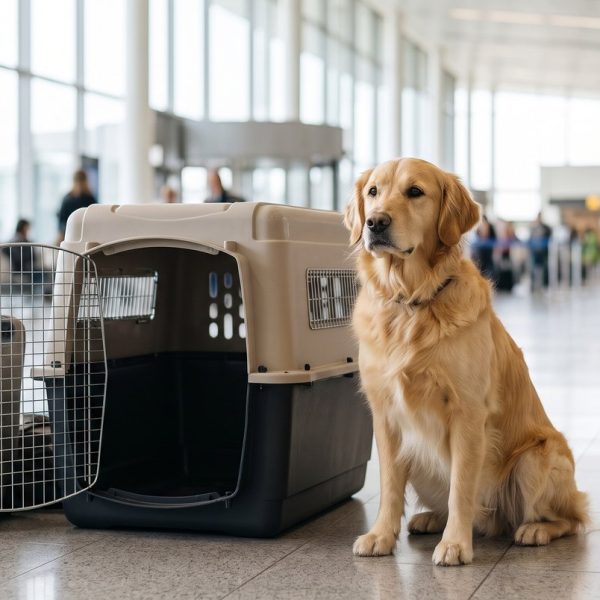
Few trips feel as nerve-racking as the first time you put your dog on a plane. You are handing a family member over to a system of check-in desks, cargo bays and cabin rules, and every airline seems to have a slightly different version of them. The good news is that flying with a dog is very manageable when you prepare early and keep the routine calm. This guide walks through the choices that matter most, from cabin versus cargo to crate training and the day of travel.
Rules change between airlines and countries, so treat this as a planning framework and always confirm the details with your carrier and the destination authorities before you book.
Cabin, cargo or a different route
The first decision is where your dog will travel. Small dogs that fit in a soft carrier beneath the seat can usually travel in the cabin, which many owners prefer because they can see and reassure their pet. Weight limits include the carrier, and many airlines cap the combined weight at around eight kilograms, so check the exact figure.
Larger dogs normally travel in the hold or as manifest cargo, depending on the airline. Flying with a large dog takes more planning, since some carriers restrict hold travel in very hot or very cold weather, and some breeds with short noses face extra limits because of breathing risks. If your dog is a snub-nosed breed, speak to your vet before anything else. Sometimes the safest answer is a different route with fewer connections, or ground transport for part of the journey.
Choose the right dog travel crate
A good dog travel crate is the single most important piece of equipment you will buy. For hold travel it must meet the airline's standards, which generally means a rigid, well-ventilated shell with a secure metal door, a leak-proof floor and no wheels fitted. Your dog should be able to stand without touching the top, turn around freely and lie down in a natural position.
Measure from the tip of the nose to the base of the tail, and from the floor to the top of the head or ears when standing. Add the allowances your airline specifies. If you are choosing between sizes, go with the more spacious option, as long as it still fits within the airline's maximum dimensions. For a deeper look at picking one, our guide to airline-approved travel crates covers the checklist in detail.
Crate train well before the trip
Start at least a month before departure. Leave the crate open at home, place a favourite blanket and a chew toy inside, and feed meals there so it becomes a normal, pleasant place. Build up time slowly, from a few minutes to an hour or more, and never use the crate as punishment. A dog who sees the crate as a den is far less likely to panic when it is in a loud airport.
Practice short car rides in the crate as well, so the movement and engine noise feel familiar. If your dog is anxious, discuss options with your vet. Sedation is generally discouraged for air travel because it can affect breathing and balance, so look at behavioural training first.
Sort the paperwork early
Documents are where many trips go wrong. Most countries require a microchip, proof of rabies vaccination, a health certificate issued within a set number of days before departure, and sometimes an import permit or blood test. Timelines can stretch to several months. The idea behind this system is explained in the Wikipedia article on pet passports, which also shows how rules differ between regions.
Keep originals and copies in a folder you carry yourself, not in the luggage. If documents are in another language, arrange a certified translation in advance so the officer at the border can read them. Even experienced competitors have to manage this, as the story of how show dogs cross borders with clean paperwork demonstrates.
Think about the destination's language too
Vets, kennels and officials at your arrival airport may not speak your language. Learning a few key phrases for your dog's needs, and saving the contact details of a local vet, can ease a stressful moment. It is also helpful to read about the travel destinations and the languages spoken there if you are planning a longer stay.
The day of travel
Exercise your dog well before leaving, but avoid a big meal in the hours before check-in. Offer water, keep your own mood relaxed, and arrive at the airport early so nothing feels rushed. Attach a label to the crate with your name, phone numbers and destination address, and mark it with the words "live animal". A familiar blanket that smells of home goes a long way.
On arrival, collect your dog promptly, offer water and a short walk, and allow time to settle before the next leg. Watch for signs of stress such as panting, drooling or hiding, and mention them to your vet if they persist.
Learn from other owners
Reading firsthand experiences helps you anticipate surprises. Communities such as r/dogs on Reddit are full of owners describing which airlines were helpful and which routes caused trouble. Treat every story as one data point, then verify with official sources.
A calm trip starts at home
Flying with a dog is less about any single trick and more about layers of preparation: the right crate, patient training, correct paperwork and a steady, confident attitude from you. Take it one step at a time, start early, and your dog will likely take the journey in stride.