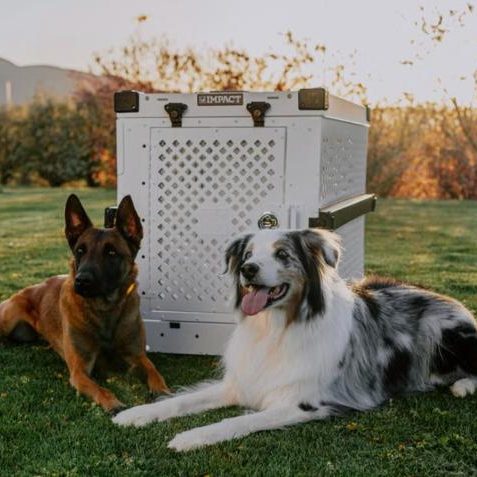
A family moving from Lisbon to Toronto with two dogs arrives at the airport only to learn that the veterinary certificate was never translated and the airline refuses to let the animals board the flight.
Why Paperwork Decides Every Pet Move
Moving an animal across borders involves more documents than most owners expect and each one has to be accepted by authorities who may not read the original language. A missing translation can stop a journey that was planned for months.
Owners who start early treat paperwork as the backbone of the move and not as a last minute chore. They know that every stamp and signature must be understood by the person checking it at the border.
Which Documents Usually Need Translation
Vaccination records and health certificates are the most common items but import permits and microchip registrations are just as important. Some countries also ask for proof of ownership or a letter from the previous veterinarian.
Reliable document translation services can handle all of these files in one project so that terminology stays consistent from page to page. This consistency matters because officials compare dates and vaccine names across several papers.
Why Accuracy Matters More Than Speed
A single wrong date on a rabies certificate can invalidate the whole file and force the family to start again. Veterinary vocabulary is also full of terms that look similar but mean different things in each language.
Translators who specialize in official records know these traps and check every figure against the original. That care saves owners from expensive delays at airports and quarantine offices.
Pet owners are not the only clients who face this kind of deadline. Anyone relocating abroad eventually needs document translation services for personal records, from birth and marriage certificates to school diplomas and medical files. Arranging those translations early, with certified versions where officials require them, removes one of the most common causes of a delayed move.
Understanding Pet Passport Rules
Within some regions travelers can rely on a standard document known as a pet passport that records vaccinations and treatments. Outside those regions the rules change and every destination may ask for its own forms.
Reading the official guidance of the destination country is therefore the first step of any plan. Owners should also confirm whether the authorities expect translations to be certified or whether a plain version is enough.
Building A Timeline That Works
Some vaccinations require a waiting period before travel and blood tests may need to be done months in advance. A realistic timeline places each of these steps in order and leaves room for unexpected delays.
Working backward from the departure date helps owners see which tasks are urgent and which can wait. A written calendar also makes it easier to share responsibilities among family members.
Using Digital Tools To Stay Organized
Relocation checklists quickly grow too long to manage on paper and many owners turn to an ai project management tool to keep tasks and deadlines in a single place. These platforms remind users when a certificate is about to expire or when an appointment is approaching.
The principles of project management apply surprisingly well to a household move because every task depends on another one. Treating the relocation as a small project brings calm to a stressful period.
Choosing The Right Veterinarian
A veterinarian who has handled international transfers before knows which forms each country expects and how to fill them correctly. Their experience shortens the process and reduces the risk of rejected files.
It helps to book appointments well in advance because official endorsements sometimes require a visit to a government office. Asking the clinic for copies of every document keeps the owner prepared for questions.
Preparing The Animal For Travel
Paperwork is only half of the story because the pet must also be comfortable and healthy during the journey. A properly sized crate and a few practice sessions at home make the experience calmer for everyone.
Short trips in the carrier help the animal associate it with safety and not with stress. Familiar blankets and toys provide extra comfort during long flights or train rides.
Working With Airlines And Carriers
Each airline has its own rules about crate dimensions and the number of animals allowed in the cabin or hold. Owners should confirm these rules in writing before paying for a ticket and keep the confirmation with their documents.
Arriving early at the airport leaves time to solve small issues without panic. A clear folder with originals and translations makes every check faster and less stressful.
What Happens At Arrival
Border officers may inspect the paperwork and sometimes the animal itself before granting entry. Having every document in the right language prevents misunderstandings and speeds up the process.
Some countries require a short quarantine while others release the pet immediately after verification. Knowing the exact procedure beforehand allows families to arrange accommodation and transport.
Settling Into A New Home
Animals need time to adjust to new smells sounds and routines and patient owners notice quickly how their pets respond. Keeping feeding times and walks consistent helps restore a sense of security.
Registering with a local veterinarian soon after arrival also ensures that records stay up to date. The translated documents often prove useful again when the clinic opens a new file.
Keeping Records For The Future
Storing digital copies of every certificate in a cloud folder protects the family if originals get lost. It also makes it easier to share documents with future veterinarians or boarding services.
Owners who plan more moves in the coming years benefit from a well organized archive. Each new journey becomes simpler because the essential papers are already prepared.
Budgeting For The Whole Journey
The cost of a pet move includes veterinary fees and travel crates as well as airline charges and the price of official translations. Listing every expense in advance prevents unpleasant surprises when the final invoices arrive.
Setting aside a small reserve for unexpected needs gives owners flexibility when a rule changes at the last minute. This simple habit keeps the move from becoming a source of financial stress for the family.
Planning Your Own Move
Every relocation is different but the same principles apply to nearly all of them. Start early and verify every requirement while keeping all documents translated and organized from the beginning.
Families that follow this approach arrive with their pets calm and fully prepared for the next chapter. The effort invested in paperwork pays off the moment the border officer simply nods and waves them through.