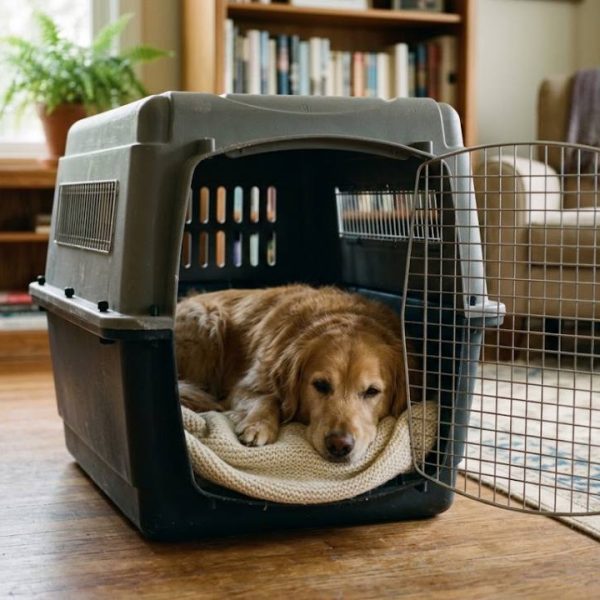
When a dog or cat flies to a new country, the travel crate becomes its whole world for many hours. It is the place where your pet sleeps, waits, hears unfamiliar noises and feels the aircraft move. A good crate keeps an animal safe and calm. A poor one can cause stress, injury or even a refusal at check-in. Choosing the right crate is one of the most important decisions in any international pet relocation.
This guide explains what airlines expect, how to measure your pet correctly and how to turn the crate into a familiar, comforting space long before travel day.
Paperwork deserves the same early attention as the crate itself, especially when certificates were issued in another language. Many owners arrange translation services for vaccination records, vet letters and ownership documents before an airline or border official asks to see them. A clear translation, kept with the originals, prevents last-minute questions at check-in. It also helps the vet or relocation company at the destination understand your pet's history straight away.
Why airlines are so strict
Airlines follow international standards for transporting live animals. These rules exist because crates are loaded, moved and stacked in cargo areas where they must stay secure. A crate that bends, opens or lacks ventilation puts the animal at risk. The live animals guidance from IATA sets out the container requirements most airlines rely on.
If a crate does not meet the rules, the airline can refuse to carry your pet, even with a confirmed booking. That is why checking the requirements early matters so much.
What makes a crate airline-approved
- A rigid shell made of strong plastic, wood or metal.
- A metal door with a secure locking mechanism, not plastic clips alone.
- Metal bolts holding the top and bottom halves together.
- Ventilation on several sides of the crate.
- A leak-proof floor with absorbent bedding.
- Food and water bowls attached to the door and refillable from outside.
- Handles or spacer bars so the crate is not pressed against other cargo.
Soft-sided carriers are usually only accepted in the cabin for small pets, and even then each airline has its own size limits.
How to measure your pet
Your pet must be able to stand up without its head touching the roof, turn around comfortably and lie down in a natural position. To find the right size, measure your animal while it stands:
- Length from the tip of the nose to the base of the tail.
- Height from the floor to the top of the head or ears, whichever is higher.
- Width across the shoulders.
- Leg length from the floor to the elbow.
Airlines use these measurements in a formula to calculate the minimum crate size. Snub-nosed breeds such as pugs, bulldogs and Persian cats often need a size larger than usual for extra airflow, and some airlines restrict them entirely.
Making the crate a safe den
The best time to introduce the crate is weeks or even months before travel. Leave it open in the living room with a favourite blanket inside. Feed meals near it, then inside it. Close the door for short periods while you stay nearby, and gradually increase the time. Short car trips in the crate help your pet connect it with normal life rather than with fear.
A pet that sees its crate as a bedroom travels far more calmly than one that meets it at the airport.
Labels and documents on the crate
Every crate should carry clear labels: "Live Animal", arrows showing which way is up, your pet's name, your contact details at origin and destination, and feeding instructions. Attach a waterproof pouch with copies of the health certificate, vaccination record and import permit.
Language matters here too. If you are moving from France to an English-speaking country, vet letters and certificates written in French may confuse handlers and inspectors. Families often use french to english translation services for these documents so that anyone handling the crate can read the essentials quickly.
How relocation companies handle the details
Professional pet relocation companies manage crates, flights, paperwork and arrival checks for hundreds of animals at once, often in many languages. To keep their care instructions, customer guides and checklists consistent across markets, some use an online translation management system, with translators working in a cat tool that remembers approved wording. When a crate rule changes, every language version of their guides can be updated the same day, so owners in Madrid, Munich and Melbourne all receive the same correct advice.
What to put inside
Less is more. A thin absorbent pad or blanket, a worn T-shirt that smells of you and frozen water in the bowl, which melts slowly during the journey, are usually enough. Avoid toys that could be chewed into pieces, thick bedding that causes overheating, and anything loose that could block the door.
Travel day tips
- Exercise your dog well before leaving for the airport.
- Give a light meal several hours before departure.
- Check that all bolts and the door lock are secure.
- Stay calm. Animals read our emotions.
- Arrive early so check-in is not rushed.
Sedation is generally discouraged for flying pets, because it can affect breathing and balance at altitude. Only use medication if your vet specifically recommends it.
After arrival
Once your pet reaches its new home, keep the crate available for a few weeks. Many animals choose to sleep in it while they adjust to new smells and sounds. The crate that carried them across the world becomes a small piece of home in a new place.
A small box with a big job
The right crate protects your pet, satisfies the airline and makes the whole journey calmer. Measure carefully, buy a sturdy airline-approved model, introduce it early and label it clearly. A well-chosen crate is the first step toward a safe arrival in your new country.